
 Deutsch
  Español
  Français
  Italiano
  Português
  Svenska
  Suomi
Suomi  Dansk
Dansk  Norsk bokmål
  Nederlands
  العربية
  עברית
עברית  Polski
  Türkçe
  Русский
  Uzbek
Uzbek  Azərbaycan
  Tiếng Việt
  ไทย
ไทย  한국어
한국어  日本語
日本語  简体中文
简体中文 
The transition to electric mobility is no longer a “future” trend—it is a present-day reality. For the modern homeowner, the shift from gas stations to residential charging is the single greatest convenience of EV ownership. However, as the market matures in 2026, a “charger” is no longer just a plug in a wall; it is a sophisticated piece of power electronics that manages energy, protects your vehicle’s battery, and integrates with your smart home.
Choosing the right equipment requires balancing technical specifications with long-term reliability. At PandaExo, we leverage our deep heritage in power semiconductors and our 28,000-square-meter manufacturing base to engineer solutions that go beyond the basics. This guide breaks down the critical features you must look for when selecting the best home charging station to ensure your investment is safe, efficient, and future-proof.
Level 2 AC Charging: The Gold Standard for Home Use
While some entry-level vehicles include a basic Level 1 cord, these are often insufficient for daily driving, providing only 3–5 miles of range per hour. For a true “overnight full charge” experience, a Level 2 AC Smart Charger is the industry standard.

When exploring the product catalog, you will notice that Level 2 stations typically operate on a 240V circuit (similar to a heavy-duty clothes dryer). This allows for charging speeds 5 to 10 times faster than a standard wall outlet. For most households, a station capable of delivering 7.2 kW to 11.5 kW (32A to 48A) provides the perfect balance between charging speed and home electrical capacity.
Smart Energy Management and App Integration
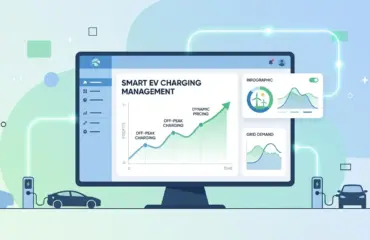
In 2026, a “dumb” charger is a liability. The best home units now feature Wi-Fi or Bluetooth connectivity, allowing you to interface with a dedicated smartphone app. These reliable charging points offer several “must-have” digital features:
- Scheduled Charging: Automate your charging to start during “off-peak” utility hours (typically midnight to 6:00 AM) to significantly reduce your electricity bill.
- Real-Time Monitoring: View live data on charging speed, energy consumed, and estimated time to completion.
- Load Balancing: High-end smart chargers can communicate with your home’s electrical panel to adjust power delivery in real-time, preventing tripped breakers if you run the AC and a dishwasher simultaneously.
Durability and Build Quality: Beyond the Plastic Shell
A home charger is an outdoor-rated appliance that must survive decades of sun, rain, and snow. Professional-grade manufacturers like PandaExo prioritize industrial-strength materials over consumer-grade plastics.
Look for a NEMA 4 or IP65/IP66 rating, which ensures the unit is dust-tight and protected against powerful water jets. Furthermore, pay attention to the cable quality. High-performance stations utilize premium internal wiring that remains flexible in sub-zero temperatures, preventing the “stiff cable” syndrome that plagues cheaper alternatives during winter.

Safety Certifications and Protection Layers
Because EV charging involves high-current electricity running for hours at a time, safety is non-negotiable. An expert-built charger should include a comprehensive electrical safety architecture:
- UL or ETL Listing: This confirms the device has undergone rigorous independent safety testing.
- Onboard Protection: Look for built-in safeguards against overvoltage, undervoltage, overcurrent, and ground faults.
- Temperature Sensors: Advanced plugs include thermal sensors that automatically throttle or stop charging if they detect excessive heat at the outlet or vehicle inlet.
Future-Proofing with Universal Compatibility
With the industry shifting toward standardized connectors, the best home chargers are those that offer a “universal” approach. Whether your vehicle uses a J1772 or the increasingly popular NACS (North American Charging Standard), choosing a station with a high-quality, interchangeable, or natively compatible tethered cable ensures you won’t need to replace your hardware when you upgrade your vehicle.
While home use is dominated by AC power, users managing multi-vehicle households or small home-based fleets may eventually look toward high-power stations for even faster turnaround times, though AC remains the most battery-friendly method for daily residential use.