

 Deutsch
  Español
  Français
  Italiano
  Português
  Svenska
  Suomi
Suomi  Dansk
Dansk  Norsk bokmål
  Nederlands
  العربية
  עברית
עברית  Polski
  Türkçe
  Русский
  Uzbek
Uzbek  Azərbaycan
  Tiếng Việt
  ไทย
ไทย  한국어
한국어  日本語
日本語  简体中文
简体中文 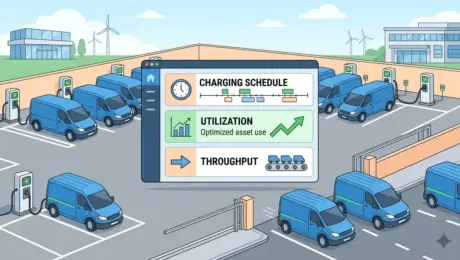
Charging Schedules, Utilization, and Throughput: A Fleet Manager’s Guide to EV Depot Planning
Sunday, 26 April 2026
Many fleet charging projects do not fail because the site lacks chargers. They fail because too many vehicles need energy during the same window, too few charging priorities are defined, and throughput is judged by installed hardware rather than by vehicles that leave on time. That distinction matters. A depot can look well equipped on
- Published in EV Charging Solutions
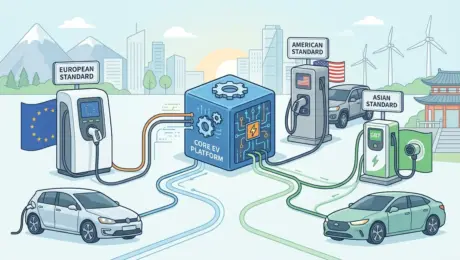
How to Build a Regional EV Charger Product Strategy Without Fragmenting Your Core Platform
Saturday, 25 April 2026
Regional expansion usually looks straightforward on paper. One market asks for Type 2 connectors, another needs J1772. One distributor wants wallboxes for commercial parking, another wants higher-power DC units for fleet turnover. A local team requests new branding, a utility partner asks for a different reporting format, and a compliance team flags another certification path.
- Published in EV Charging Solutions
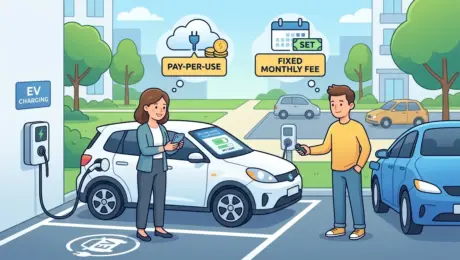
Apartment EV Charging Billing Models: What Residents Will Actually Accept
Saturday, 25 April 2026
The biggest argument in apartment EV charging is usually not charger location. It is who pays, how they pay, and whether residents believe the bill is fair. In multifamily properties, billing design affects adoption as much as hardware selection. A model that feels opaque will trigger complaints from EV drivers, resistance from non-EV residents, and
- Published in EV Charging Solutions
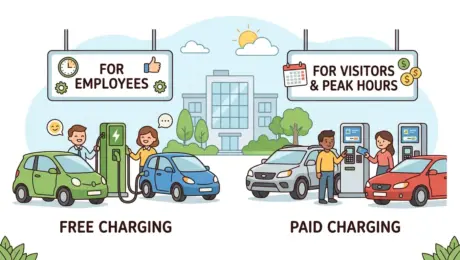
Workplace EV Charging Policy Design: When Free Charging Works and When Paid Access Makes More Sense
Saturday, 25 April 2026
A workplace can offer free EV charging when eight employees use four chargers. The same policy can become difficult when 30 drivers expect access, parking stays full all day, and facilities teams are asked to expand capacity without clear usage data. That is why the real policy question is not just whether charging should be
- Published in EV Charging Solutions
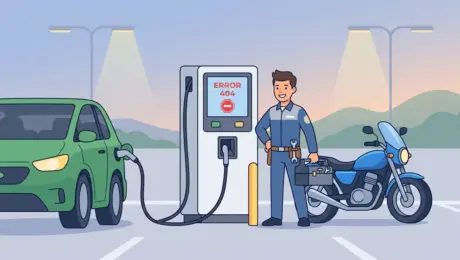
Mean Time to Repair in EV Charging: Why Service Response Time Matters More Than Charger Specs
Saturday, 25 April 2026
An EV charger can look impressive on paper and still underperform in the field if it stays out of service too long after a fault. For charge point operators, site hosts, fleet managers, and infrastructure buyers, downtime is rarely judged by the charger’s rated power alone. It is judged by how quickly a failed asset
- Published in EV Charging Solutions
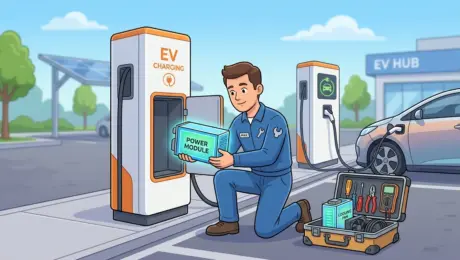
Spare Parts Strategy for EV Charging Stations: What Operators Should Keep on Hand
Friday, 24 April 2026
An EV charging site does not need a catastrophic equipment failure to lose uptime. A damaged connector, failed cooling fan, dead communication board, or nonfunctional display can take a charger out of service long enough to create queues, missed charging windows, and avoidable service calls. For operators, the real spare-parts question is not whether every
- Published in EV Charging Solutions
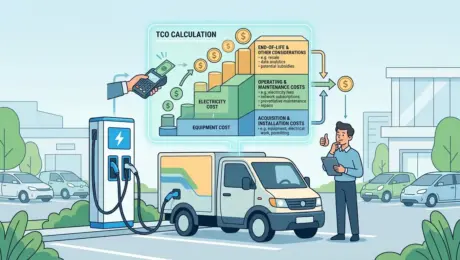
Total Cost of Ownership for Commercial EV Chargers: A Procurement Guide
Friday, 24 April 2026
The cheapest charger on an RFQ sheet can become the most expensive asset on the site. That happens when procurement teams compare cabinet price, connector count, or nameplate power first, while the real economics are being shaped somewhere else: trenching, switchgear, transformer lead times, software subscriptions, demand charges, maintenance dispatch, and the cost of downtime
- Published in EV Charging Solutions
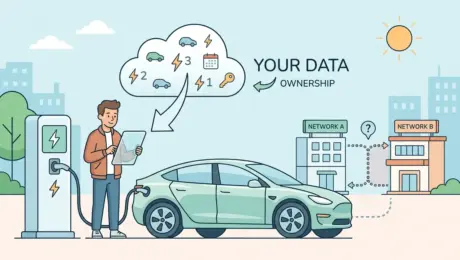
EV Charger Data Ownership: What Happens If You Switch Network Providers?
Friday, 24 April 2026
A charging network provider can usually be replaced faster than a charger asset can be depreciated. That is why data ownership matters more than many buyers realize during procurement. The visible hardware may stay in the ground, on the wall, or in the depot, but the operating value of the site often lives inside the
- Published in EV Charging Solutions
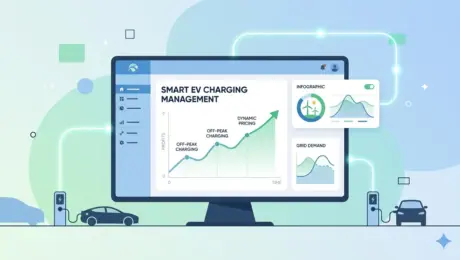
How Energy Management Platforms Improve EV Charging Profitability
Friday, 24 April 2026
An EV charging site can look busy and still underperform financially. Chargers may be occupied, sessions may be flowing, and new hardware may be installed on schedule, yet margins stay thin because power is delivered at the wrong times, demand charges spike unexpectedly, downtime goes unnoticed too long, or low-value sessions crowd out higher-value use.
- Published in EV Charging Solutions
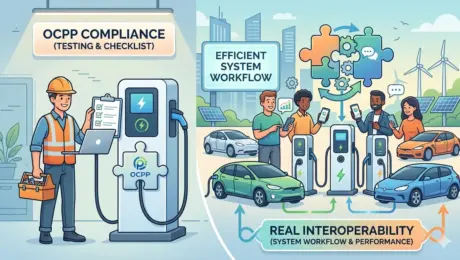
OCPP Compliance vs. Real Interoperability: What Commercial Buyers Need to Test
Thursday, 23 April 2026
The procurement problem often starts with a reassuring phrase in a proposal: “OCPP compliant.” On paper, that sounds like the interoperability risk has already been solved. In practice, commercial buyers usually discover the difference much later, when a charger connects to the selected backend but fails on tariff logic, remote reset behavior, session recovery, or
- Published in EV Charging Solutions
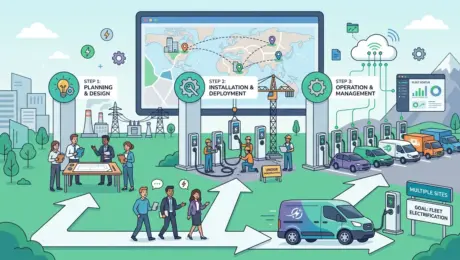
How to Build an EV Fleet Charging Rollout Plan Across Multiple Sites
Wednesday, 22 April 2026
The hardest part of a multi-site fleet charging rollout is usually not choosing between AC and DC hardware. It is building a plan that keeps site decisions aligned while local conditions keep changing. One depot may have predictable overnight dwell, strong utility capacity, and room for expansion. Another site may be space-constrained, leased, and operationally
- Published in EV Charging Solutions
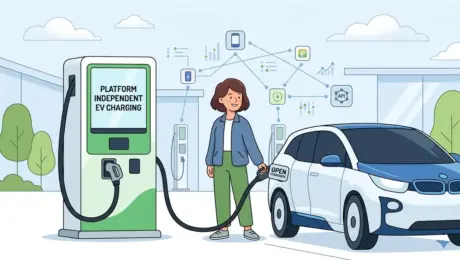
How to Reduce Platform Lock-In Risk When Choosing an EV Charging Vendor
Friday, 17 April 2026
The easiest EV charging proposal to approve is often the hardest to unwind later. A vendor offers bundled hardware, backend software, payment tools, commissioning, and support under one commercial package. The first site goes live quickly, the dashboard looks clean, and procurement moves on. The problem usually appears during expansion, not installation. A fleet operator
- Published in EV Charging Solutions
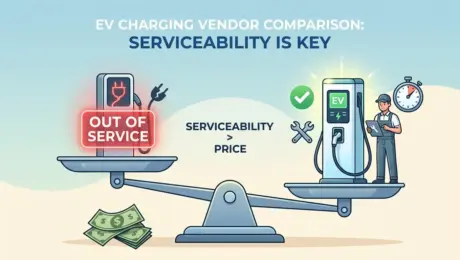
How to Compare EV Charging Vendors on Serviceability, Not Just Price
Monday, 13 April 2026
The lowest bid can look attractive during procurement and still become the most expensive choice six months later. One failed connector, one unavailable power module, or one backend issue that nobody owns can turn a reasonably priced charger into a recurring operating problem. That is why serious EV infrastructure buyers should compare vendors on serviceability,
- Published in EV Charging Solutions
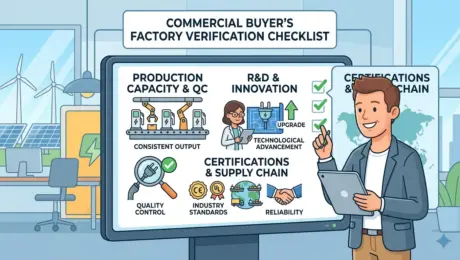
What Commercial Buyers Should Verify Before Approving an EV Charger Factory Partner
Sunday, 12 April 2026
A charger sample can pass a demo and still become a procurement problem six months later. Commercial buyers usually discover the gap only after rollout begins: the pilot firmware does not match the production batch, spare-parts coverage is unclear, certification paperwork does not fit the destination market, or the supplier can build 20 units well
- Published in EV Charging Solutions
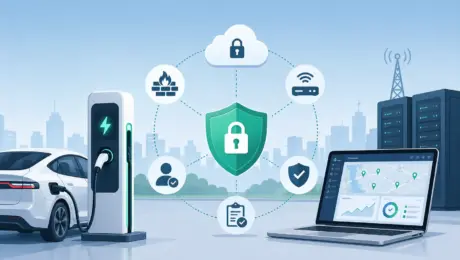
Cybersecurity in EV Charging Networks: A Practical Guide for Operators and Buyers
Sunday, 12 April 2026
A charging site can have the right utility plan, the right charger mix, and a sound business case and still underperform if cybersecurity is treated as an afterthought. Once chargers depend on cloud software, payment systems, roaming connections, and remote support, the network stops being only an electrical asset. It becomes an operational technology environment
- Published in EV Charging Solutions
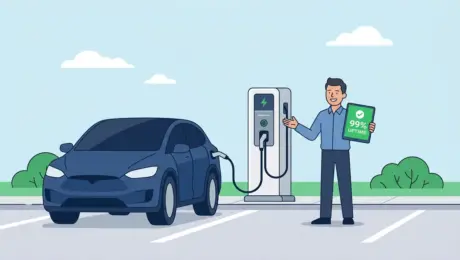
Charger Uptime SLAs: What EV Infrastructure Buyers Should Ask Before Signing With a Vendor
Sunday, 12 April 2026
A charger can appear online in a dashboard and still fail the real-world test that matters: can a driver start a session, receive expected power, and leave on schedule? That gap is why uptime SLAs deserve closer scrutiny before procurement teams commit to a vendor. For infrastructure buyers, fleet operators, site hosts, and channel partners,
- Published in EV Charging Solutions
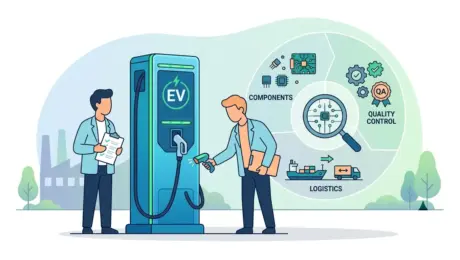
Supply Chain Risk in EV Charger Manufacturing: What Distributors Should Ask Suppliers
Friday, 10 April 2026
A distributor does not need a factory shutdown to feel supply chain risk. A delayed controller board, a substituted power component, a missing certification file, or a firmware mismatch can be enough to stall shipments, miss tender deadlines, and push channel partners into difficult conversations with installers, site hosts, and fleet customers. That is why
- Published in EV Charging Solutions
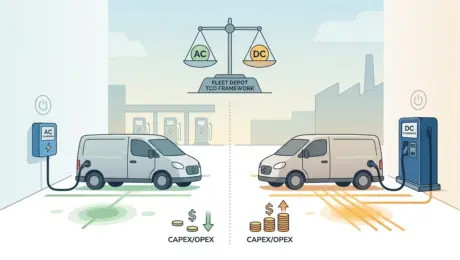
AC vs. DC Charging for Fleet Depots: A Practical TCO Framework
Saturday, 04 April 2026
When a fleet depot begins electrifying at scale, the first expensive mistake is usually not buying the wrong charger model. It is using the wrong economic lens. A site can look efficient on paper and still lock the operator into avoidable utility upgrades, idle charging capacity, route disruption, and expansion rework. That is why AC-versus-DC
- Published in EV Charging Solutions
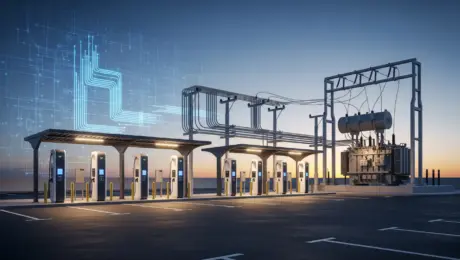
Utilities and EV Charging: How to Plan Grid Capacity, Interconnection, and Demand Charges
Tuesday, 31 March 2026
Many EV charging projects seem straightforward until the utility review starts. A site may have strong driver demand, available parking, and internal budget approval, yet the real delivery timeline often ends up being defined by transformer headroom, service upgrade requirements, interconnection sequencing, and peak-demand economics. For commercial property owners, fleet operators, developers, and charge point
- Published in EV Charging Solutions
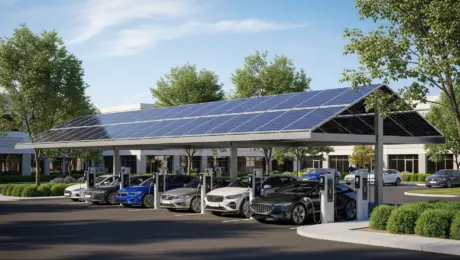
Solar Carports for EV Charging: Costs, Benefits, and Site Planning for Commercial Properties
Tuesday, 31 March 2026
Solar carports are no longer limited to showcase sustainability projects. For commercial property owners, fleet operators, hospitality groups, campuses, and mixed-use developers, they are becoming a practical way to combine parking infrastructure, on-site generation, and EV charging into one long-term asset. That said, a solar carport is not simply an EV charger with panels mounted
- Published in EV Charging Solutions
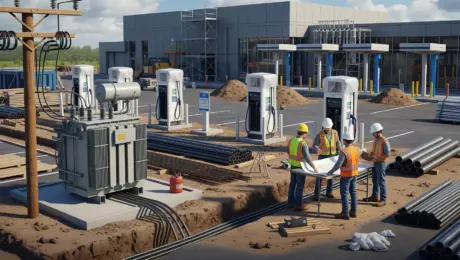
How Utilities Evaluate Commercial EV Charging Projects: Make-Ready, Transformers, and Approval Timelines
Tuesday, 31 March 2026
Commercial EV charging projects often begin as site-level conversations about charger count, installation budget, and customer demand. Utilities evaluate the same project differently. From their perspective, the question is not simply whether a property wants charging. The question is whether the local grid can support the added load safely, economically, and on a timeline that
- Published in EV Charging Solutions
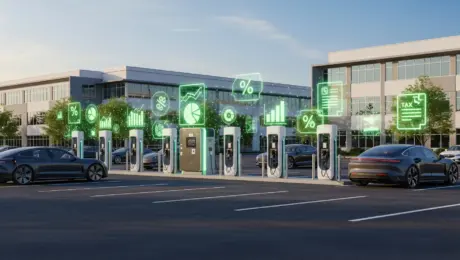
Which EV Charging Station Tax Credits Can Businesses Qualify for?
Tuesday, 31 March 2026
For many commercial EV charging projects, the real question is not whether incentives exist. It is whether the project owner actually qualifies, which costs can be claimed, and what must be documented before procurement, installation, and commissioning begin. That distinction matters because tax credits can materially change project economics, but only when the ownership structure,
- Published in EV Charging Solutions
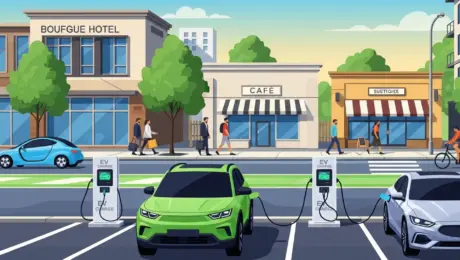
EV Charging Site Selection Guide: How Retail, Hotels, Fleets, and Multifamily Properties Should Evaluate Demand
Tuesday, 31 March 2026
Choosing a charging site is not just a real-estate decision. It is an operating-model decision. A location that performs well for hotel guests may underperform for a retail center, and a fleet depot that justifies high electrical investment may have nothing in common with a multifamily garage except the word “parking.” That is why strong
- Published in EV Charging Solutions

EV Charging Network Uptime Strategy: Monitoring, Remote Support, and Escalation Workflows
Tuesday, 31 March 2026
In commercial EV charging, uptime is not a secondary KPI. It is the service customers, fleets, tenants, and site hosts are actually buying. A charger that is technically installed but operationally unavailable still fails the business case. That is why uptime strategy should be treated as an operating system, not a maintenance afterthought. For CPOs,
- Published in EV Charging Solutions
EV Charging Industry Trends: What Operators, Installers, and Manufacturers Should Watch
Tuesday, 31 March 2026
The EV charging market in 2026 is entering a more disciplined phase. Growth is still strong, but buyers are no longer judging projects mainly by charger count or nameplate power. They are looking harder at uptime, software flexibility, grid readiness, fleet suitability, and whether a charging deployment will still make commercial sense three to five
- Published in EV Charging Solutions
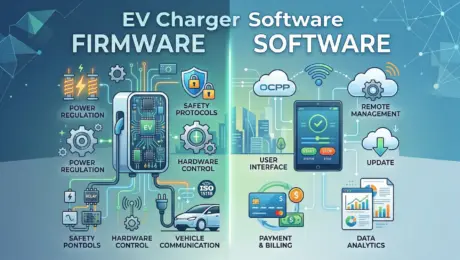
EV Charger Software vs Firmware: What CPOs, Buyers, and OEM Partners Need to Know
Tuesday, 31 March 2026
In EV charging procurement, software and firmware are often discussed together and sometimes treated as if they are interchangeable. They are not. That confusion can lead to the wrong technical questions during vendor evaluation, poor update governance after deployment, and avoidable support friction when chargers misbehave in the field. For CPOs, site hosts, distributors, project
- Published in EV Charging Solutions
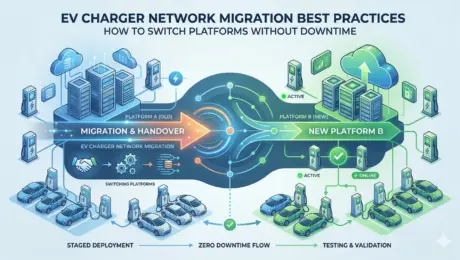
EV Charger Network Migration Best Practices: How to Switch Platforms Without Downtime
Tuesday, 31 March 2026
EV charger network migration is often described as a software change, but for most operators it is really a continuity-of-service challenge. When a charging network moves to a new backend, billing stack, roaming partner, or hardware management model, the main risk is not whether data can be transferred. The real risk is whether drivers, site
- Published in EV Charging Solutions

EV Charger Firmware Update Strategy: How Operators Can Reduce Downtime and Compatibility Issues
Tuesday, 31 March 2026
Firmware updates are one of the quietest ways to improve charger stability, but they are also one of the easiest ways to create avoidable downtime if rollout discipline is weak. In EV charging operations, firmware touches session logic, communication behavior, error handling, recovery routines, and compatibility between the charger, vehicle, and backend platform. For CPOs,
- Published in EV Charging Solutions
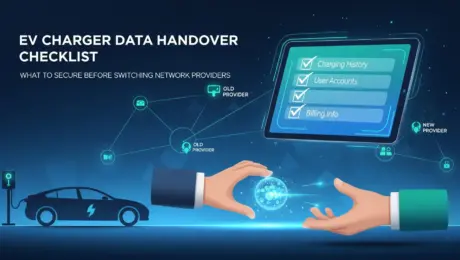
EV Charger Data Handover Checklist: What to Secure Before Switching Network Providers
Tuesday, 31 March 2026
When a charging network changes backend providers, the most expensive problems usually do not come from the charger cabinet. They come from the business data attached to it. User accounts, RFID permissions, tariff rules, charger IDs, session history, and support records all influence whether the new platform can go live without disruption. That is why
- Published in EV Charging Solutions
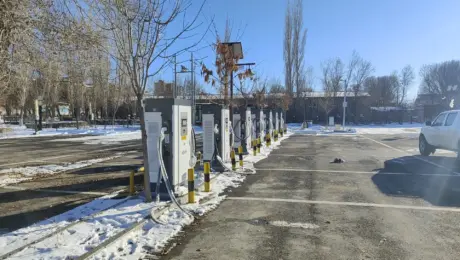
What Businesses Should Know Before Expanding EV Charging Infrastructure
Tuesday, 31 March 2026
EV adoption is rising across regions, fleets, workplaces, and commercial real estate portfolios, but infrastructure planning still fails when businesses assume vehicle growth automatically translates into the same charging demand everywhere. It does not. What matters is not only how many EVs are entering the market, but where they will park, how long they will
- Published in EV Charging Solutions