

 Deutsch
  Español
  Français
  Italiano
  Português
  Svenska
  Suomi
Suomi  Dansk
Dansk  Norsk bokmål
  Nederlands
  العربية
  עברית
עברית  Polski
  Türkçe
  Русский
  Uzbek
Uzbek  Azərbaycan
  Tiếng Việt
  ไทย
ไทย  한국어
한국어  日本語
日本語  简体中文
简体中文 Bridge rectifiers, diodes, inverters, voltage modules, and underlying circuit design.
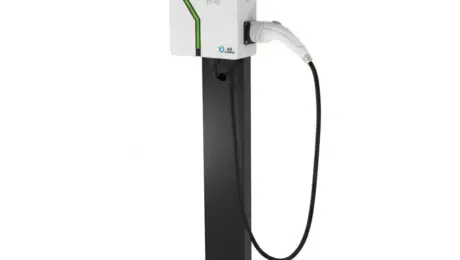
Why Level 2 EV Charging is the Gold Standard for Modern Infrastructure
Wednesday, 25 March 2026
As the global shift toward sustainable transport accelerates, businesses and homeowners alike are facing a critical decision: how to balance charging speed, installation costs, and long-term battery health. While DC ultra-fast charging grabs the headlines for highway travel, the quiet workhorse of the industry is the Level 2 charger. For the vast majority of daily
- Published in Power Semiconductors
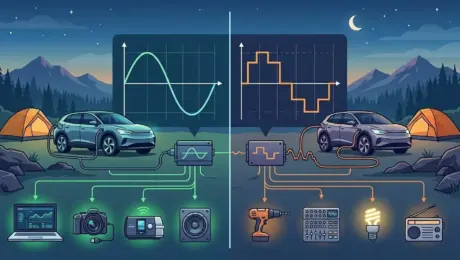
Pure Sine Wave vs. Modified Sine Wave Inverters for EV Camping
Thursday, 12 March 2026
The rise of Electric Vehicles (EVs) has revolutionized the Great American Road Trip. With massive onboard battery capacities, your EV is no longer just a mode of transport; it is a mobile power plant. However, extracting that stored energy to power a coffee maker, a laptop, or medical equipment while camping requires a critical piece
- Published in Power Semiconductors
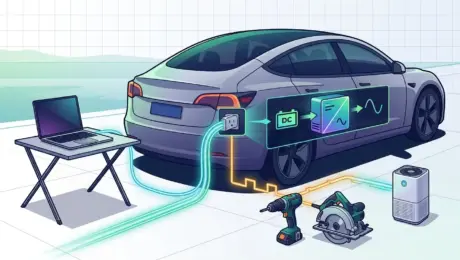
How to Use a Power Inverter in Your Electric Vehicle
Wednesday, 11 March 2026
As the global transition toward sustainable mobility accelerates, the electric vehicle (EV) is evolving from a mere mode of transport into a sophisticated mobile energy hub. For fleet operators, commercial builders, and tech-savvy consumers, the ability to extract usable AC power from a vehicle’s high-voltage DC battery—a process facilitated by a power inverter—is a game-changer.
- Published in Power Semiconductors
The Ultimate Guide to UL 94V-0 Flammability Ratings in Power Electronics & EV Infrastructure
Tuesday, 10 March 2026
As the electric vehicle (EV) market accelerates globally, the demand for high-performance, rapid energy delivery systems has never been greater. However, dealing with high voltages and sustained currents inherently involves managing significant thermal output. In the B2B landscape of power electronics and EV infrastructure, hardware reliability is synonymous with fire safety. At the center of
- Published in Power Semiconductors
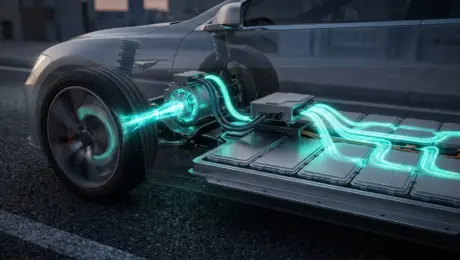
How Regenerative Braking Converts AC Motor Power to DC Battery Storage
Monday, 09 March 2026
In the world of high-performance electric vehicle (EV) infrastructure, efficiency isn’t just a metric—it’s the foundation of the entire ecosystem. While most of the industry focuses on how energy moves from the grid into the vehicle, one of the most elegant pieces of engineering happens in the opposite direction: Regenerative Braking. For fleet operators, charging
- Published in Power Semiconductors
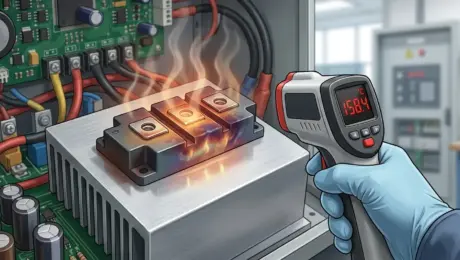
Why Your Bridge Rectifier is Overheating and How to Fix It
Tuesday, 03 March 2026
Bridge rectifiers are easy to overlook until one starts running hot enough to threaten charger uptime. In EV charging systems, that is a serious problem. Excessive heat at the rectifier stage does not just reduce efficiency. It can trigger derating, accelerate capacitor stress, damage nearby assemblies, and shorten the service life of the charger itself.
- Published in Power Semiconductors
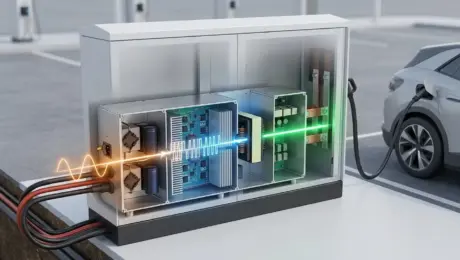
How Switched-Mode Power Supplies (SMPS) Drive EV Infrastructure
Sunday, 01 March 2026
As the global transition to electric mobility accelerates, the demand for faster, smaller, and more efficient charging solutions has never been higher. At the core of every modern EV charger—from a compact residential wallbox to a high-power industrial station—lies a critical piece of power electronics: the Switched-Mode Power Supply (SMPS). For B2B stakeholders, fleet operators,
- Published in Power Semiconductors

How to Safely Power a Mini-Fridge in Your Tesla (12V/48V Systems)
Monday, 23 February 2026
As EVs become more useful for road trips, mobile work, camping, and service fleets, drivers are asking a more practical question: can the car safely power small appliances for extended periods? A mini-fridge is one of the most common examples because it adds convenience without seeming like a major electrical load. The answer is yes,
- Published in Power Semiconductors
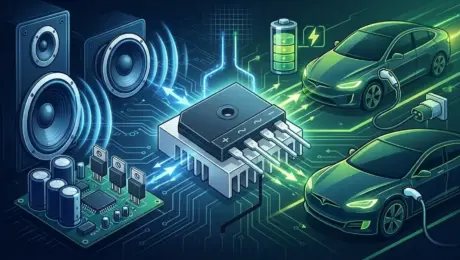
Why GBJ Series Flat Bridges Are Perfect for High-Power Audio & EV Power
Saturday, 21 February 2026
In the rapidly advancing worlds of electric vehicle (EV) infrastructure and high-fidelity audio, the quality of power conversion determines the performance of the entire system. Whether it is delivering pristine, noise-free current to a high-end amplifier or managing the immense thermal loads of an onboard EV charger, engineers require semiconductor components that guarantee efficiency, thermal
- Published in Power Semiconductors

Glass Passivated vs. Standard Rectifiers in Harsh Environments
Thursday, 19 February 2026
As the transition to electric mobility accelerates, the reliability of EV charging infrastructure has never been more critical. Deployed everywhere from sun-baked desert highways to freezing, snow-covered mountain passes, these stations are subjected to relentless environmental and electrical stress. While heavy-duty enclosures and cooling systems are visible signs of ruggedization, the true battle for reliability
- Published in Power Semiconductors
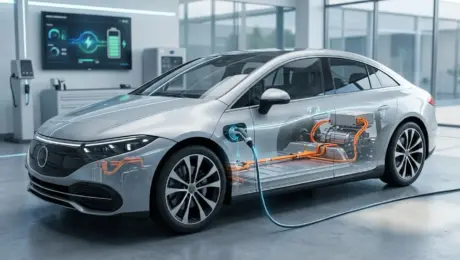
High Voltage Systems in Electric Cars: A Beginner’s Guide to the Future of Power
Thursday, 12 February 2026
When you think of a car battery, you likely picture the 12-volt lead-acid block that starts a traditional engine and runs the headlights. In an electric vehicle (EV), however, that 12V battery is just a small supporting player. The real heavy lifting is done by a high voltage (HV) system—a sophisticated network that manages hundreds
- Published in Power Semiconductors
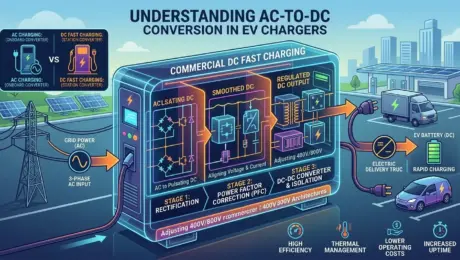
Understanding AC to DC Power Conversion in Commercial EV Chargers
Sunday, 08 February 2026
The rapid adoption of electric vehicles (EVs) is fundamentally reshaping global transportation. However, the commercial success of this transition relies heavily on a robust and highly efficient charging infrastructure. For fleet operators, commercial real estate developers, and charging network providers, the speed, reliability, and cost-effectiveness of energy delivery are paramount. At the core of this
- Published in Power Semiconductors
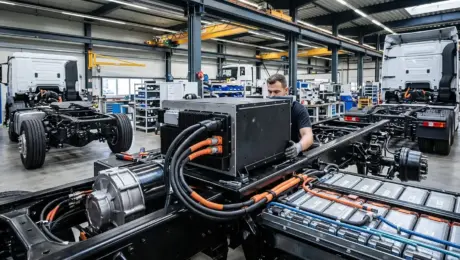
The Critical Role of Traction Rectifiers in Heavy-Duty Electric Vehicles
Sunday, 08 February 2026
As the global logistics and transit sectors pivot toward decarbonization, the engineering requirements for heavy-duty electric vehicles (EVs)—such as electric trucks, buses, and mining equipment—have become increasingly complex. At the heart of these high-power machines lies a component often overshadowed by the battery pack but equally vital: the traction rectifier. Understanding how traction rectifiers function
- Published in Power Semiconductors

Full Wave vs. Half Wave Rectifier: Efficiency in Power Supply Design
Friday, 06 February 2026
Rectifier choice looks simple on paper, but in real power-supply design it has direct consequences for heat, filtering cost, reliability, and usable output quality. For engineers building EV charging hardware, industrial supplies, onboard conversion stages, or semiconductor-based power modules, the difference between half-wave and full-wave rectification is not academic. It affects whether the final system
- Published in Power Semiconductors
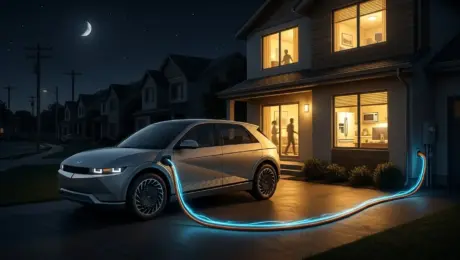
V2L (Vehicle to Load) Technology Explained: Powering Your Home
Thursday, 05 February 2026
The electric vehicle (EV) revolution has evolved far beyond the simple replacement of the internal combustion engine. Today, modern EVs are transitioning from standalone transportation assets into mobile, high-capacity energy storage systems. At the forefront of this paradigm shift is V2L (Vehicle-to-Load) technology, a groundbreaking feature that allows an EV to discharge its battery power
- Published in Power Semiconductors
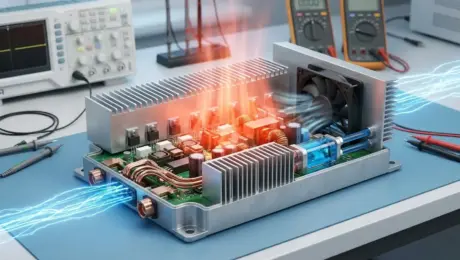
Why Thermal Management is the Core of EV Power Module Reliability
Tuesday, 03 February 2026
In the high-stakes world of electric vehicle (EV) infrastructure, the “race to the top” is often measured in kilowatts and charging speeds. However, as power densities increase and footprints shrink, the industry’s greatest challenge isn’t just delivering energy—it’s managing the heat generated during the process. For CPOs (Charge Point Operators) and fleet managers, thermal management
- Published in Power Semiconductors

Managing Thermal Dissipation in GBJ Series Flat Bridges for High-Power OBCs
Monday, 02 February 2026
As EV charging power levels increase, thermal performance becomes one of the clearest limits on long-term hardware reliability. In high-power onboard chargers, the front-end rectification stage must process substantial current while remaining inside safe operating temperatures. That is why thermal management around GBJ series flat bridge rectifiers is not a secondary design detail. It is
- Published in Power Semiconductors
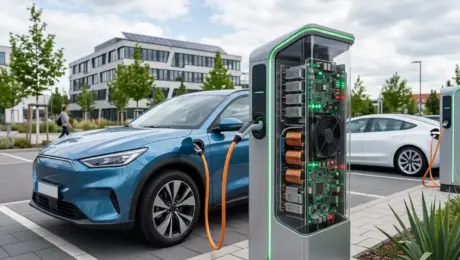
The Critical Role of Active Power Factor Correction (PFC) in EV Charging
Tuesday, 27 January 2026
As the global transition to electric mobility accelerates, the demand for robust and efficient charging infrastructure has never been higher. For charge point operators (CPOs) and fleet managers, the “efficiency” of a station isn’t just a technical spec—it is the difference between a profitable operation and one plagued by high utility penalties and frequent hardware
- Published in Power Semiconductors
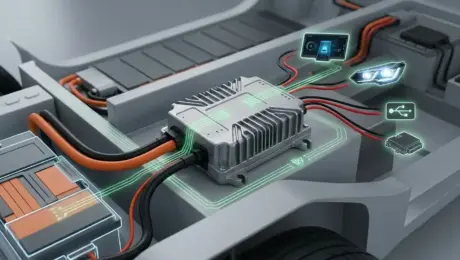
48V to 12V DC Converters: Upgrading EV Accessories Safely
Sunday, 25 January 2026
The automotive industry is undergoing a massive electrical transformation. As electric vehicles (EVs) and mild-hybrid systems demand more power for advanced driver-assistance systems (ADAS), steer-by-wire, and active suspension, OEMs are rapidly adopting 48V electrical architectures. However, a significant engineering challenge remains: a vast ecosystem of legacy automotive accessories—from infotainment screens and LED lighting to standard
- Published in Power Semiconductors
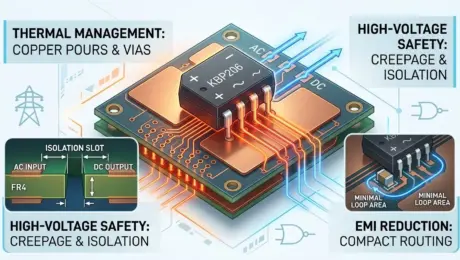
KBP Series Miniature Bridge Rectifiers: PCB Layout for Smart Chargers
Thursday, 22 January 2026
In smart EV chargers, the attention usually goes to charging power, connector standards, and software visibility. But the control board only performs as well as its auxiliary power stage. If the low-power AC-to-DC section is unstable, the charger can suffer from communication faults, thermal stress, erratic control behavior, or avoidable field failures. That is why
- Published in Power Semiconductors

Car Inverter Overload Protection: How It Keeps Your EV Safe
Thursday, 22 January 2026
The rapid acceleration of electric vehicle (EV) adoption relies on a fundamental promise: uncompromised safety alongside high performance. At the heart of this promise lies the vehicle’s power electronics, specifically the car inverter. Whether converting direct current (DC) from the battery to alternating current (AC) to drive the traction motor, or managing Vehicle-to-Load (V2L) applications,
- Published in Power Semiconductors
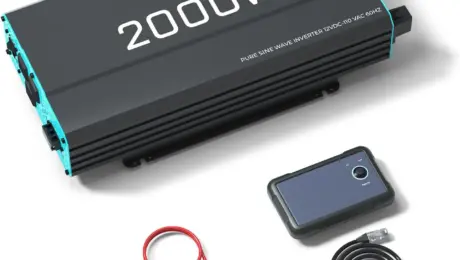
The Ultimate Guide to Upgrading Your RV Power System with Modern Silicon Components
Wednesday, 21 January 2026
The modern recreational vehicle (RV) is no longer just a motorized tent; it is a sophisticated, rolling microgrid. From powering remote workstations and high-efficiency HVAC units to supporting induction cooktops and robust residential refrigerators, the electrical demands of today’s RVs have surged. For B2B manufacturers, upfitters, and serious off-grid enthusiasts, relying on outdated power distribution
- Published in Power Semiconductors
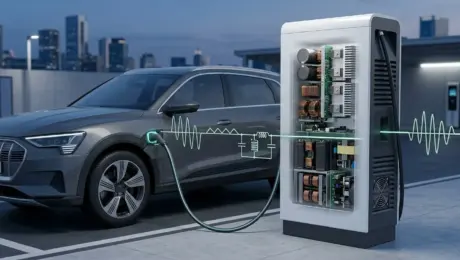
The Heart of the Charge: Minimizing Ripple Voltage in Automotive Power Delivery
Wednesday, 21 January 2026
In the world of Electric Vehicle (EV) infrastructure, efficiency isn’t just a metric—it’s the difference between a high-performing asset and a maintenance liability. For CPOs (Charge Point Operators) and automotive engineers, the silent enemy of power quality is ripple voltage. As we transition toward ultra-fast charging and high-density power electronics, the ability to deliver clean,
- Published in Power Semiconductors
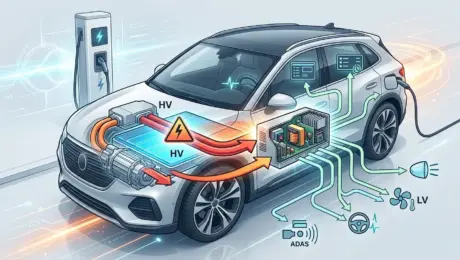
Understanding DC-DC Converters in Modern Electric Vehicles: The Heart of Power Management
Tuesday, 20 January 2026
The rapid evolution of electric mobility demands not just more power, but smarter power. While massive battery packs and high-performance motors capture the headlines, the unsung hero of the modern electric vehicle (EV) architecture is the DC-DC converter. For fleet operators, infrastructure developers, and automotive engineers, understanding how these components manage energy distribution is critical.
- Published in Power Semiconductors
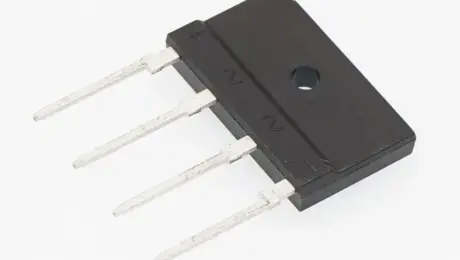
How to Identify Terminals on a 4-Pin Bridge Rectifier
Monday, 12 January 2026
In the world of electric vehicle (EV) charging and power electronics, the bridge rectifier is a silent workhorse. Whether it’s nested within a smart AC wallbox or part of a high-power DC fast charging module, this component is responsible for the critical task of converting Alternating Current (AC) from the grid into the Direct Current
- Published in Power Semiconductors
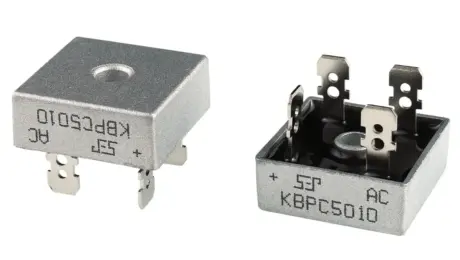
Designing a Variable DC Power Supply with a KBPC5010 Rectifier
Sunday, 11 January 2026
A variable DC power supply is one of the most useful tools in any serious electronics lab. It supports circuit validation, component burn-in, battery system testing, motor control experiments, and a wide range of troubleshooting tasks. When the design target moves beyond low-current hobby use and into heavier bench loads, the power stage has to
- Published in Power Semiconductors
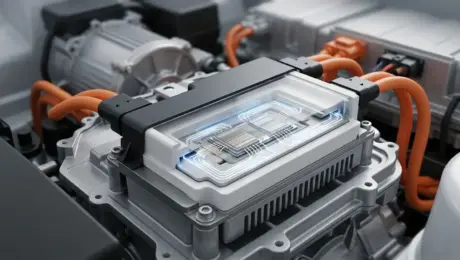
The Core of EV Reliability: Why High Dielectric Strength Matters in Automotive Grade Semiconductors
Friday, 09 January 2026
The electric vehicle (EV) revolution is accelerating, bringing an unprecedented demand for faster charging times, longer driving ranges, and highly efficient power management. As the automotive industry aggressively transitions from traditional 400V systems to advanced 800V—and even 1000V+—architectures, the stress placed on underlying power electronics has multiplied. At the very heart of this high-voltage transition
- Published in Power Semiconductors

KBPC Series Square Bridges: Heavy-Duty Rectification for Welding & Charging
Monday, 05 January 2026
In the rapidly expanding worlds of electric vehicle (EV) infrastructure and heavy industrial manufacturing, reliable power conversion is the invisible force driving operations forward. Whether you are managing a fleet of smart EV charging stations or operating heavy-duty welding equipment, the efficiency of your power supply dictates your operational success. At the heart of this
- Published in Power Semiconductors
Why High-Quality Rectifier Diodes are Critical for Your Power Inverter
Monday, 05 January 2026
Power inverter performance is often discussed in terms of switching devices, control logic, and overall system topology. Those areas matter, but they do not carry the whole reliability story. In real-world power conversion, rectifier diodes still decide how efficiently current moves, how much heat the system must shed, and how much stress downstream components have
- Published in Power Semiconductors
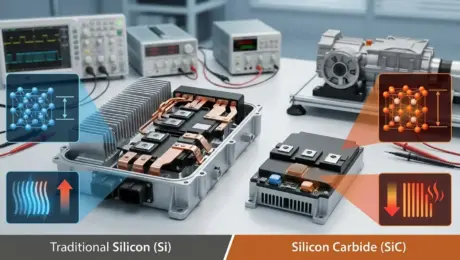
Silicon Carbide (SiC) vs. Traditional Silicon in EV Inverters
Tuesday, 30 December 2025
The electric vehicle (EV) industry is currently undergoing a “quiet” revolution, not in the aesthetics of the cars, but in the power electronics that drive them. As OEMs and infrastructure providers race to increase range and decrease charging times, the focus has shifted to the heart of the drivetrain: the traction inverter. For decades, traditional
- Published in Power Semiconductors
- 1
- 2