
 Deutsch
  Español
  Français
  Italiano
  Português
  Svenska
  Suomi
Suomi  Dansk
Dansk  Norsk bokmål
  Nederlands
  العربية
  עברית
עברית  Polski
  Türkçe
  Русский
  Uzbek
Uzbek  Azərbaycan
  Tiếng Việt
  ไทย
ไทย  한국어
한국어  日本語
日本語  简体中文
简体中文 
The electric vehicle (EV) revolution has evolved far beyond the simple replacement of the internal combustion engine. Today, modern EVs are transitioning from standalone transportation assets into mobile, high-capacity energy storage systems. At the forefront of this paradigm shift is V2L (Vehicle-to-Load) technology, a groundbreaking feature that allows an EV to discharge its battery power to run external appliances, tools, and even essential home electronics during a grid outage.
For automotive OEMs, fleet operators, and EV infrastructure developers, V2L is no longer a niche luxury feature—it is rapidly becoming a baseline consumer expectation. Understanding the underlying power electronics, the infrastructural ecosystem required to support it, and its practical applications is critical for staying competitive in the smart energy landscape.
This comprehensive guide explores the mechanics of V2L technology, how it can be utilized to power your home in emergencies, its distinction from other bidirectional charging protocols, and why robust charging infrastructure is the unsung hero of the V2L ecosystem.
What is V2L (Vehicle-to-Load) Technology?
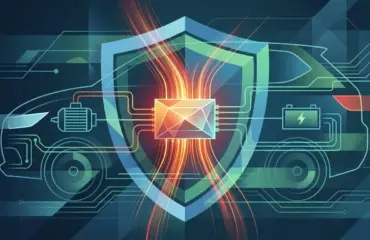
Vehicle-to-Load (V2L) is a specific type of bidirectional charging technology. While traditional EVs only accept alternating current (AC) or direct current (DC) power to charge their high-voltage battery packs, a V2L-enabled vehicle features an integrated onboard bidirectional inverter. This inverter takes the direct current (DC) stored in the EV’s battery and converts it back into standard alternating current (AC)—typically 120V or 240V, depending on the region.
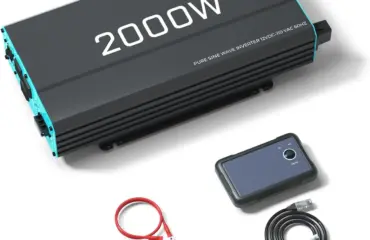
This converted AC power is then made accessible via standard electrical outlets located inside the vehicle’s cabin, in the cargo area, or externally through a specialized V2L adapter plugged directly into the vehicle’s charge port.
The Underlying Power Electronics
The seamless conversion from a high-voltage DC battery pack (often operating between 400V and 800V) to stable, grid-quality AC power requires highly sophisticated power electronics. The efficiency, thermal management, and reliability of this process depend heavily on commercial-grade semiconductors.
At the core of these power conversion systems—whether in the vehicle’s inverter or within the charging stations that supply the power in the first place—are heavy-duty components that manage the flow of current. For instance, high-efficiency bridge rectifiers and advanced silicon carbide (SiC) MOSFETs are essential for minimizing energy loss during AC-to-DC and DC-to-AC conversions, ensuring that maximum battery capacity is delivered directly to the load.
V2L vs. V2H vs. V2G: Understanding the Differences
The term “bidirectional charging” is often used as a catch-all, but it encompasses three distinct technologies with vastly different use cases, regulatory requirements, and hardware setups. To understand how V2L fits into the ecosystem, it is vital to contrast it with Vehicle-to-Home (V2H) and Vehicle-to-Grid (V2G).
| Feature | V2L (Vehicle-to-Load) | V2H (Vehicle-to-Home) | V2G (Vehicle-to-Grid) |
|---|---|---|---|
| Primary Function | Powers individual appliances, tools, or devices via standard plugs. | Powers an entire home by integrating directly with the home’s electrical panel. | Discharges power back into the public utility grid to stabilize peak demand. |
| Hardware Required | Built-in EV outlets or a simple V2L plug adapter. | Specialized bidirectional EV charger, home transfer switch, and inverter setup. | Commercial bidirectional charger, utility smart meters, and grid interconnection agreements. |
| Setup Complexity | Low: Plug-and-play. No electrician required. | High: Requires professional installation and home electrical upgrades. | Very High: Requires utility coordination, regulatory approval, and advanced software. |
| Grid Dependency | Independent (Off-grid capable). | Independent (Islanding mode during outages). | Fully dependent on the grid. |
| Typical Power Output | 1.5 kW to 9.6 kW | 7 kW to 19.2+ kW | Varies wildly; often aggregated into Megawatt-scale virtual power plants. |
How V2L Can Power Your Home (Emergency & Utility)
While V2H is the definitive solution for powering an entire home seamlessly, V2L provides an immediate, accessible, and cost-effective method for emergency home backup. When a severe storm or grid failure causes a blackout, a fully charged EV with V2L capabilities effectively acts as a massive, silent, emission-free portable generator.
Practical Home Applications for V2L
Depending on the vehicle model, V2L output generally ranges from 1.5 kW up to an impressive 9.6 kW. Here is how that power translates to real-world home utility:
- Sustaining Critical Appliances: A typical V2L adapter can comfortably run heavy-draw appliances via heavy-duty extension cords. You can power a full-sized refrigerator (approx. 400-800W running), a microwave (1,000W), and a space heater (1,500W) simultaneously.
- Medical Equipment Security: For households relying on CPAP machines, oxygen concentrators, or refrigerated medications, V2L provides life-saving energy security without the maintenance or carbon monoxide risks of a gas generator.
- Remote Work Continuity: Running Wi-Fi routers, laptops, monitors, and device chargers requires negligible wattage, meaning an EV battery could sustain a remote home office for weeks on a single charge.
- Off-Grid Living & Recreation: Beyond emergency home backup, V2L is transforming off-grid cabins, glamping setups, and tailgating by powering induction cooktops, projectors, and lighting rigs effortlessly.
The B2B Perspective: Why V2L Matters for Fleets and Infrastructure
For B2B stakeholders, the implications of V2L extend far beyond residential convenience. The integration of V2L technology is creating massive operational efficiencies for commercial entities.
- Mobile Worksites: Utility fleets, construction crews, and film production teams can utilize V2L to power heavy-duty power tools, lighting towers, and diagnostic equipment directly from their fleet vehicles, eliminating the need to tow noisy, fuel-consuming diesel generators to the job site.
- Reduced Total Cost of Ownership (TCO): Fleet operators can offset capital expenditures by dual-purposing their transport vehicles as mobile power nodes, consolidating equipment costs.
- OEM Competitive Advantage: Automakers who fail to integrate robust V2L architecture risk losing market share, as consumers and fleet purchasers increasingly demand energy versatility.
The Prerequisite to V2L: High-Performance Charging Infrastructure
The immense utility of V2L technology is fundamentally reliant on one critical factor: the EV must be charged and ready when you need it. A mobile power bank is useless if it is empty during a grid emergency. Therefore, the proliferation of V2L mandates a corresponding investment in reliable, high-efficiency EV charging infrastructure.
Building the Foundation with PandaExo
To ensure vehicles are perpetually prepared to serve as energy reservoirs, robust charging solutions must be deployed across residential, commercial, and public environments.
- Everyday Reliability: For daily topping up, installing dependable, smart AC chargers at homes, workplaces, and fleet depots ensures that vehicles consistently maintain an optimal state of charge without degrading battery health.
- Rapid Turnaround: When fleet vehicles or consumer EVs need rapid energy replenishment—especially ahead of impending severe weather that threatens the grid—commercial operators and municipal networks rely on high-power DC chargers. These ultra-fast stations minimize downtime and ensure maximum energy storage is achieved in a fraction of the time.
Backed by a 28,000-square-meter advanced manufacturing base and a deep heritage in power semiconductors, PandaExo provides the factory-direct hardware scale and precision required to power this new era of mobility and energy storage. From customized OEM/ODM services for enterprise clients to turnkey smart energy management platforms, the charging infrastructure we build today enables the bidirectional technologies of tomorrow.
Embrace the Future of Energy Versatility
Vehicle-to-Load (V2L) technology is redefining the relationship between transportation and energy consumption. By transforming EVs into highly capable, mobile power sources, V2L provides unparalleled energy resilience for homes, streamlines operations for commercial fleets, and paves the way for a more decentralized energy grid.
However, unlocking the full potential of bidirectional capabilities requires a steadfast foundation of high-performance, intelligent charging hardware. Whether you are an infrastructure developer scaling a public network, a fleet manager optimizing operational efficiency, or a distributor sourcing premium components, partnering with a proven manufacturing leader is the key to success.
Ready to future-proof your EV infrastructure? Dive into our full suite of factory-direct hardware solutions at the PandaExo shop.