

 Deutsch
  Español
  Français
  Italiano
  Português
  Svenska
  Suomi
Suomi  Dansk
Dansk  Norsk bokmål
  Nederlands
  العربية
  עברית
עברית  Polski
  Türkçe
  Русский
  Uzbek
Uzbek  Azərbaycan
  Tiếng Việt
  ไทย
ไทย  한국어
한국어  日本語
日本語  简体中文
简体中文 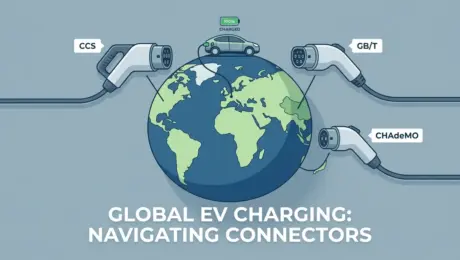
Choosing the Right Connector Strategy for Global EV Charger Markets
Saturday, 28 February 2026
Many EV charging projects fail to localize at the connector layer long before they fail at the power layer. A charger platform may have the right output range, enclosure design, and software stack, yet still create procurement friction if the connector strategy does not match the vehicles, regulations, and operating model in the target market.
- Published in EV Charging Solutions
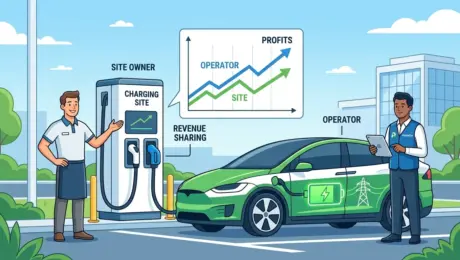
Revenue Sharing Models for Commercial EV Charging Sites Explained
Friday, 27 February 2026
When a hotel, retail park, office campus, or fleet-adjacent parking site wants EV charging, the first commercial question is often not charger power. It is who invests, who operates, and how the charging revenue will be shared once drivers start using the site. That question matters because commercial EV charging rarely works as a simple
- Published in EV Charging Solutions
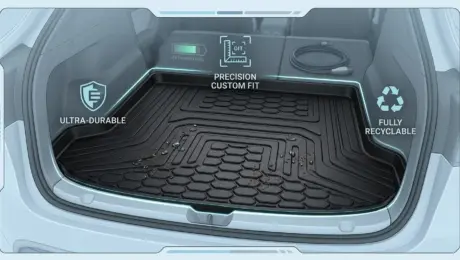
Why TPE is the Premier Material Choice for Next-Generation EV Trunk Liners
Friday, 27 February 2026
As the global shift toward electric mobility accelerates, the focus of EV manufacturers and aftermarket providers has moved beyond the powertrain to encompass every facet of vehicle sustainability and durability. For the modern Electric Vehicle (EV), interior protection is no longer a secondary thought—it is a critical component of the user experience. When it comes
- Published in EV Charging Solutions
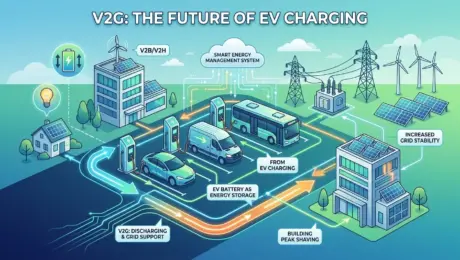
V2G (Vehicle to Grid) Technology: The Future of EV Charging and Grid Stability
Wednesday, 25 February 2026
The global shift toward electric mobility is no longer just about decarbonizing transportation; it is about reinventing the power grid itself. As we move into 2026, the conversation has shifted from “how do we power EVs?” to “how can EVs power our world?” At the heart of this transformation is Vehicle-to-Grid (V2G) technology—a bidirectional energy
- Published in EV Charging Solutions
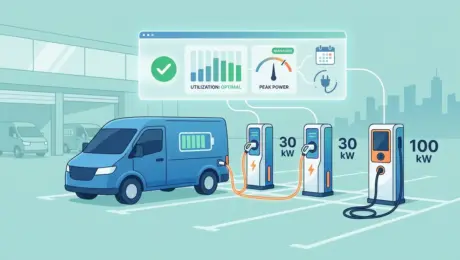
Fleet Depot Charging Design: How Many Chargers Do You Really Need Per Vehicle?
Tuesday, 24 February 2026
When a fleet depot starts electrifying vehicles at scale, one of the first procurement questions is usually framed as a simple ratio: should you buy one charger for every vehicle, one for every two vehicles, or something in between? That sounds like a clean planning shortcut, but depot charging rarely behaves like a simple parking-lot
- Published in EV Charging Solutions
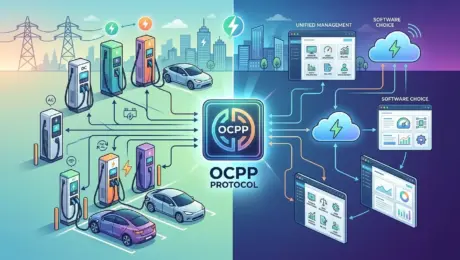
What is the OCPP Protocol and Why Do Commercial EV Stations Need It?
Tuesday, 24 February 2026
As the global transition to electric mobility accelerates, the commercial EV charging landscape is expanding at an unprecedented rate. However, scaling an EV infrastructure network involves more than just pouring concrete and plugging in hardware. For Charge Point Operators (CPOs), facility managers, and fleet operators, building a profitable and manageable network requires seamless communication between
- Published in EV Charging Solutions
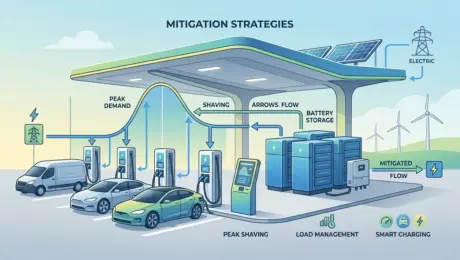
Demand Charge Mitigation Strategies for High-Power EV Charging Sites
Tuesday, 24 February 2026
A site can attract strong charger utilization and still underperform financially if monthly peaks are left unmanaged. That problem usually appears after launch: a few high-power charging sessions overlap for one billing interval, the utility records a new demand peak, and the site pays for that spike long after the queue clears. At high-power EV
- Published in EV Charging Solutions
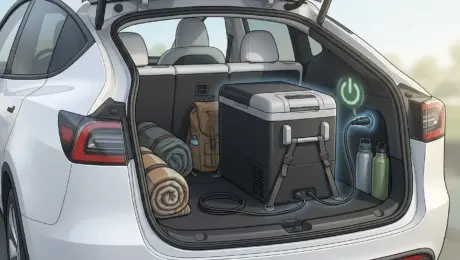
How to Safely Power a Mini-Fridge in Your Tesla (12V/48V Systems)
Monday, 23 February 2026
As EVs become more useful for road trips, mobile work, camping, and service fleets, drivers are asking a more practical question: can the car safely power small appliances for extended periods? A mini-fridge is one of the most common examples because it adds convenience without seeming like a major electrical load. The answer is yes,
- Published in Power Semiconductors
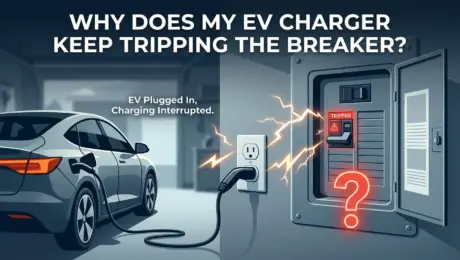
Why Your Portable EV Charger Keeps Tripping the Breake and How to Fix It
Monday, 23 February 2026
We understand the frustration. You plug in your electric vehicle at the end of a long day, expecting a full battery by morning, only to wake up to a tripped breaker and an uncharged car. Whether you are an individual EV owner, a property manager, or a fleet operator, an unreliable charging setup isn’t just
- Published in EV Charging Solutions
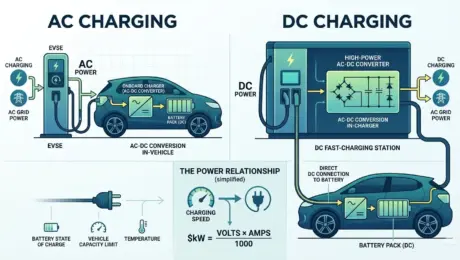
Understanding EV Charger Output: Demystifying kW, Amps, and Charging Speed
Monday, 23 February 2026
EV charger specifications often look straightforward until procurement, site design, or fleet planning begins. A charger may be labeled 7 kW, 22 kW, 120 kW, or 350 kW, but that number alone does not tell the whole story. Charging speed depends on the relationship between voltage, current, charger architecture, vehicle limits, and real operating conditions.
- Published in EV Charging Solutions
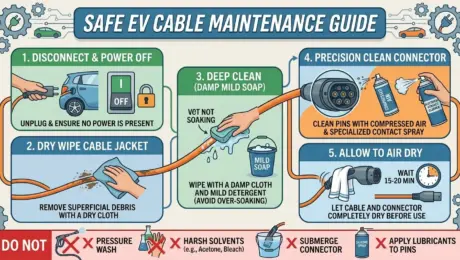
How to Safely Clean and Maintain Your EV Charging Cable
Saturday, 21 February 2026
As electric vehicle (EV) adoption accelerates globally, the demand on EV charging infrastructure has never been higher. For Charge Point Operators (CPOs), fleet managers, and facility owners, maximizing the uptime and safety of these assets is critical. While much attention is rightfully paid to the software and power electronics driving the station, the physical connection
- Published in EV Charging Solutions
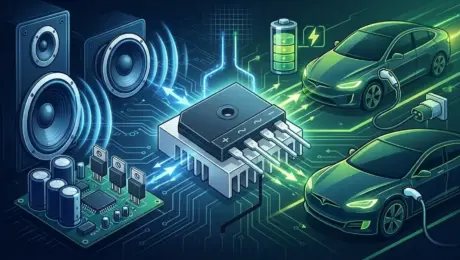
Why GBJ Series Flat Bridges Are Perfect for High-Power Audio & EV Power
Saturday, 21 February 2026
In the rapidly advancing worlds of electric vehicle (EV) infrastructure and high-fidelity audio, the quality of power conversion determines the performance of the entire system. Whether it is delivering pristine, noise-free current to a high-end amplifier or managing the immense thermal loads of an onboard EV charger, engineers require semiconductor components that guarantee efficiency, thermal
- Published in Power Semiconductors
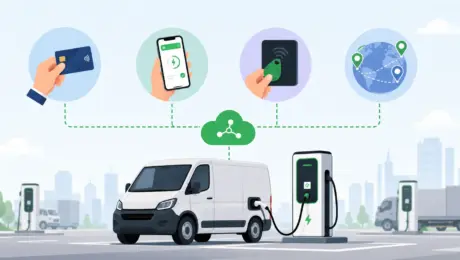
Commercial EV Charging Payment Systems: Cards, Apps, RFID, and Roaming Explained
Saturday, 21 February 2026
A charging site can have the right power level, the right parking layout, and the right business case, yet still underperform if drivers struggle to start and pay for a session. That is why payment design should be treated as part of commercial EV charging infrastructure planning, not as a software add-on chosen at the
- Published in EV Charging Solutions
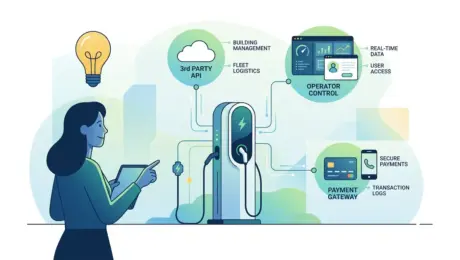
What Commercial EV Charging Buyers Should Ask About API Access and Third-Party Integrations
Friday, 20 February 2026
The hardware discussion is usually straightforward. A buyer can compare power classes, mounting formats, warranty terms, and site layouts with reasonable confidence. The harder problem often appears later, when the chargers need to talk to billing software, a fleet dashboard, an energy-management system, a parking platform, or an outside charging network. That is where a
- Published in EV Charging Solutions
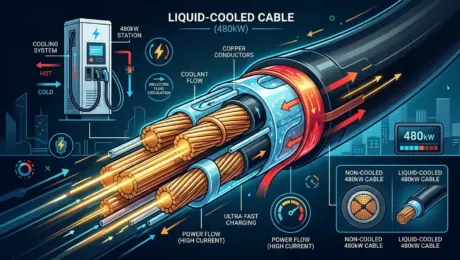
How Liquid-Cooled Cables Enable 480kW Ultra-Fast Charging
Friday, 20 February 2026
Ultra-fast EV charging sounds simple in marketing language: more power, less waiting. In engineering reality, it creates a major thermal problem. Once charging systems move toward 480kW output, cable design becomes a limiting factor, not just a packaging decision. For charge point operators, fleet charging developers, OEM partners, and infrastructure buyers, the question is not
- Published in EV Charging Solutions
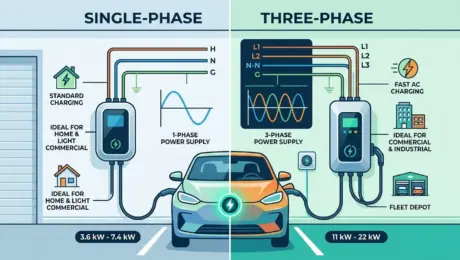
Single Phase vs. Three Phase Wallbox Chargers
Friday, 20 February 2026
As the global transition to electric mobility accelerates, businesses, fleet operators, and commercial facilities face a critical operational decision: designing the right charging infrastructure. While DC fast chargers dominate the headlines for highway transit, the backbone of daily EV charging remains AC power. For charge point operators (CPOs) and commercial facility managers, understanding the core
- Published in EV Charging Solutions

Glass Passivated vs. Standard Rectifiers in Harsh Environments
Thursday, 19 February 2026
As the transition to electric mobility accelerates, the reliability of EV charging infrastructure has never been more critical. Deployed everywhere from sun-baked desert highways to freezing, snow-covered mountain passes, these stations are subjected to relentless environmental and electrical stress. While heavy-duty enclosures and cooling systems are visible signs of ruggedization, the true battle for reliability
- Published in Power Semiconductors
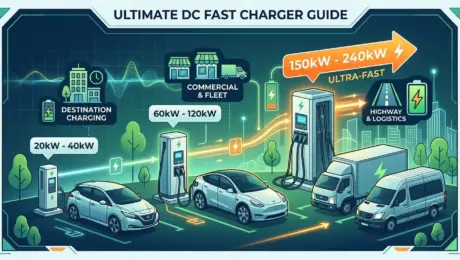
The Ultimate Guide to DC Fast Chargers: 20kW to 240kW Explained
Monday, 16 February 2026
The rapid acceleration of global electric vehicle (EV) adoption has shifted the conversation from if we need charging infrastructure to how fast we can deploy it. For charge point operators (CPOs), fleet managers, and commercial real estate developers, selecting the right hardware is a critical business decision. At the heart of this deployment strategy is
- Published in EV Charging Solutions
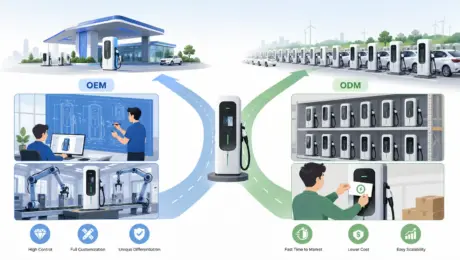
OEM vs. ODM EV Chargers: Which Partnership Model Fits Your Market Strategy?
Monday, 16 February 2026
Many EV charging companies assume the branding decision comes late. In practice, it shows up much earlier. A distributor entering a new region, a fleet-focused solutions provider, or a charging-network planner building a private-label offer often has to decide whether to launch on an existing charger platform or invest in a product strategy with more
- Published in EV Charging Solutions
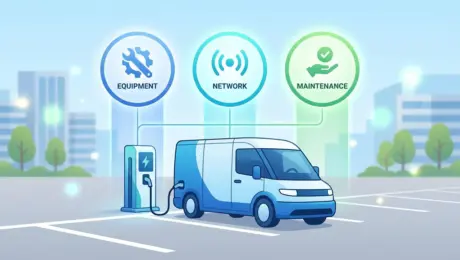
EV Charger Warranty Terms Explained for Commercial Buyers
Sunday, 15 February 2026
Many commercial buyers feel comfortable once they see a two-year or three-year charger warranty on a quotation. That confidence often disappears during the first service event. A failed module may be covered, but the technician visit is not. Remote troubleshooting may be required before any claim is approved. The warranty may start at shipment instead
- Published in EV Charging Solutions
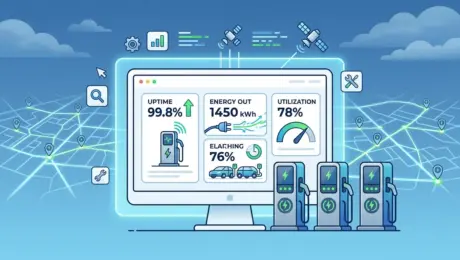
Remote Monitoring KPIs Every EV Charging Network Operator Should Track
Sunday, 15 February 2026
A charging network rarely loses trust because one charger throws one fault. Trust erodes when operators discover recurring issues too late, cannot tell which alarms actually threaten service, or rely on dashboard totals that look healthy while drivers still fail to start sessions. That is why remote monitoring should be built around operational KPIs, not
- Published in EV Charging Solutions
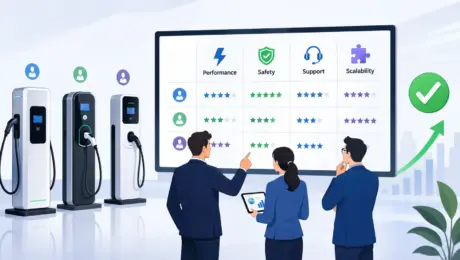
Procurement Teams’ Checklist for Comparing EV Charger Suppliers
Friday, 13 February 2026
Procurement teams are often asked to compare EV charger suppliers under time pressure, with multiple quotes that look similar on the surface but are built around very different assumptions. One supplier may be pricing hardware only. Another may bundle software, commissioning, and remote support. A third may look cheapest until long lead times, weak documentation,
- Published in EV Charging Solutions
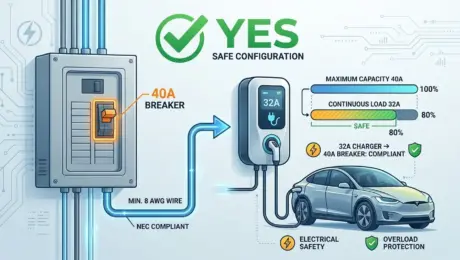
Will a 32 Amp EV Charger Work on a 40 Amp Breaker?
Friday, 13 February 2026
For fleet managers, property developers, and electrical contractors, the “missing link” between a high-performance EV charging station and a safe electrical installation often comes down to a single question of amperage. If you are installing a standard Level 2 charging station, you’ve likely encountered this specific scenario: Will a 32 Amp EV charger work on
- Published in EV Charging Solutions
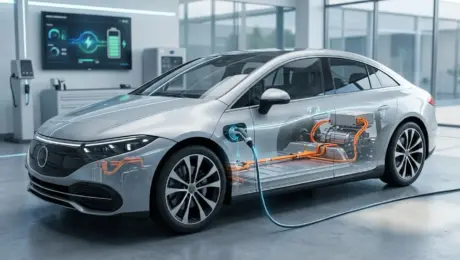
High Voltage Systems in Electric Cars: A Beginner’s Guide to the Future of Power
Thursday, 12 February 2026
When you think of a car battery, you likely picture the 12-volt lead-acid block that starts a traditional engine and runs the headlights. In an electric vehicle (EV), however, that 12V battery is just a small supporting player. The real heavy lifting is done by a high voltage (HV) system—a sophisticated network that manages hundreds
- Published in Power Semiconductors
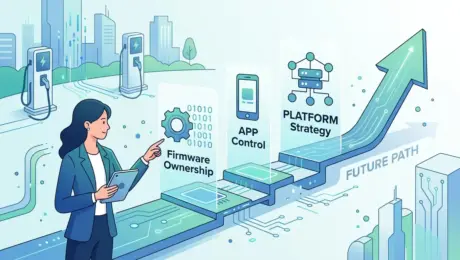
How OEM Buyers Should Evaluate Firmware, App, and Platform Ownership in EV Charging
Monday, 09 February 2026
The first white-label EV charging project often looks like a hardware decision. The buyer compares enclosure design, power class, connector mix, certifications, and unit cost, then assumes the rest can be settled during implementation. In practice, the harder risk appears after the chargers are commissioned. Who approves firmware changes when a field issue affects charging
- Published in EV Charging Solutions
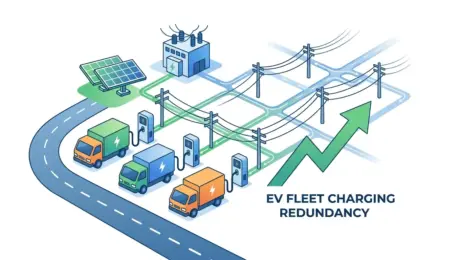
EV Fleet Charging Redundancy Planning: Avoiding Single Points of Failure
Monday, 09 February 2026
A fleet depot can install ten charging connectors and still behave like a single-charger site if every session depends on one transformer upgrade, one communications path, one software platform, or one maintenance response window. That is the real redundancy problem in fleet charging: not the number of plugs, but the number of independent ways the
- Published in EV Charging Solutions
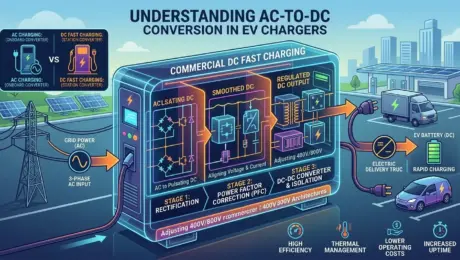
Understanding AC to DC Power Conversion in Commercial EV Chargers
Sunday, 08 February 2026
The rapid adoption of electric vehicles (EVs) is fundamentally reshaping global transportation. However, the commercial success of this transition relies heavily on a robust and highly efficient charging infrastructure. For fleet operators, commercial real estate developers, and charging network providers, the speed, reliability, and cost-effectiveness of energy delivery are paramount. At the core of this
- Published in Power Semiconductors
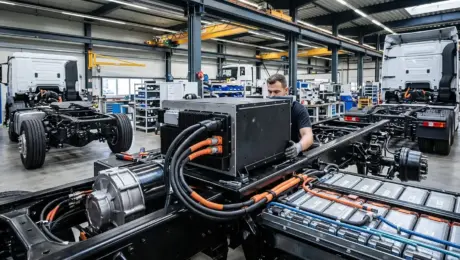
The Critical Role of Traction Rectifiers in Heavy-Duty Electric Vehicles
Sunday, 08 February 2026
As the global logistics and transit sectors pivot toward decarbonization, the engineering requirements for heavy-duty electric vehicles (EVs)—such as electric trucks, buses, and mining equipment—have become increasingly complex. At the heart of these high-power machines lies a component often overshadowed by the battery pack but equally vital: the traction rectifier. Understanding how traction rectifiers function
- Published in Power Semiconductors
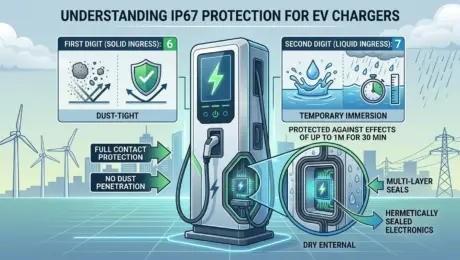
The Definitive Guide to IP67 Waterproof Ratings for EV Chargers
Sunday, 08 February 2026
As the global transition to electric mobility accelerates, EV charging infrastructure is rapidly expanding beyond climate-controlled garages into some of the harshest environments on earth. From coastal parking lots battered by salt spray to mountain resorts facing torrential downpours and snowmelt, modern EV chargers must be engineered to withstand the elements. For Charge Point Operators
- Published in EV Charging Solutions
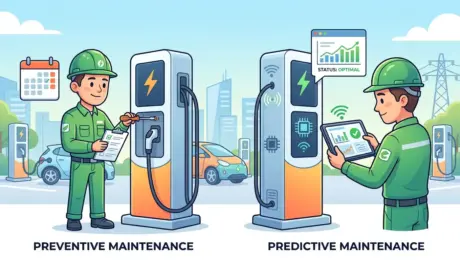
Preventive vs. Predictive Maintenance for EV Charging Networks
Saturday, 07 February 2026
An EV charging network can have solid hardware, good locations, and strong demand and still underperform if the maintenance model is wrong. One operator may service chargers on a fixed schedule and keep costs predictable. Another may rely on telemetry, alarm patterns, and session history to intervene before faults turn into outages. Both approaches can
- Published in EV Charging Solutions